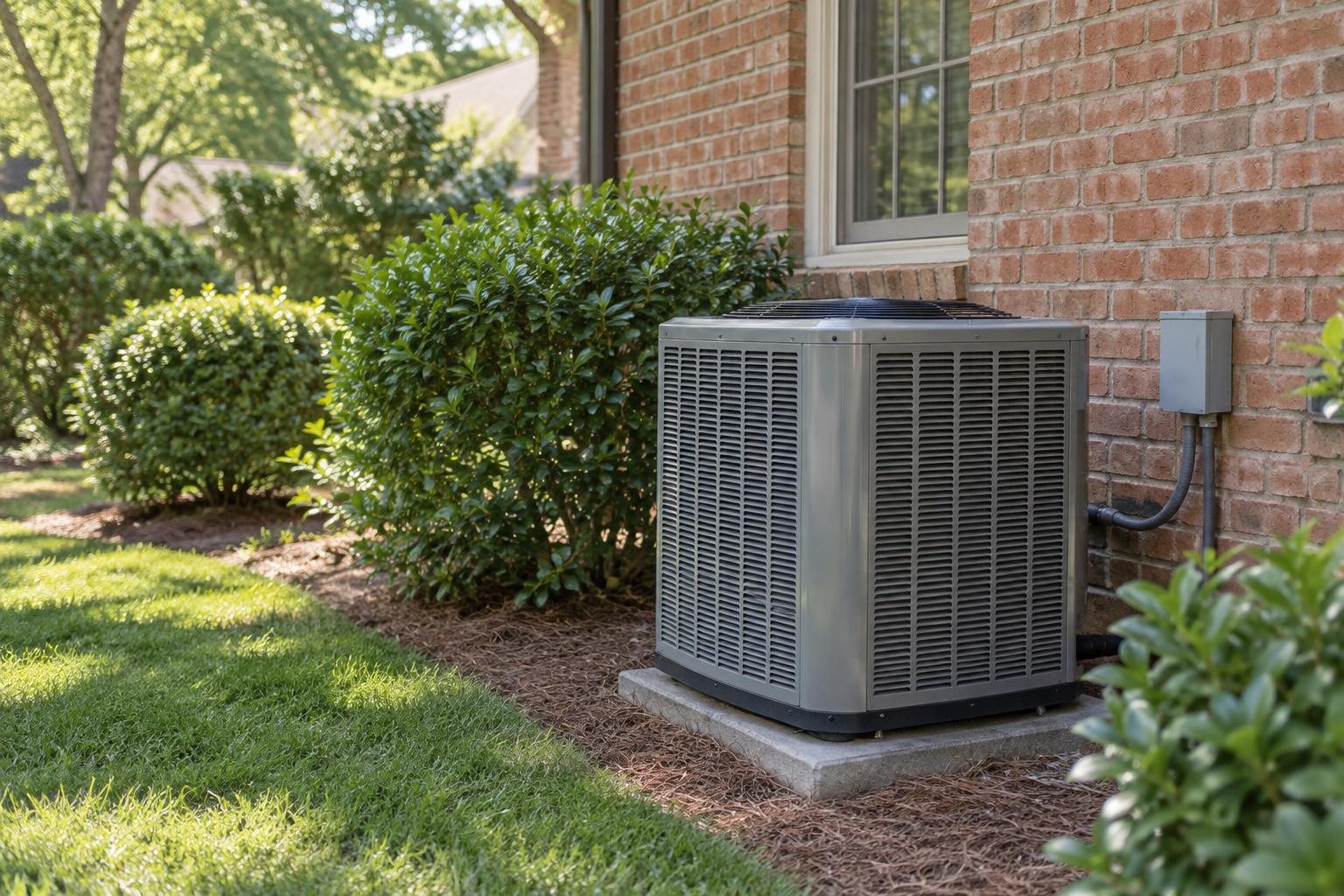
Airflow help in Marietta
Upstairs hot while downstairs feels cool?
Hot rooms, weak airflow, or temperatures that never feel balanced deserve a closer look—not a guessed-at fix.
For gas odor, a CO alarm, smoke, or immediate danger, leave the area and contact emergency services from safety.
We connect homeowners with independent local HVAC providers.
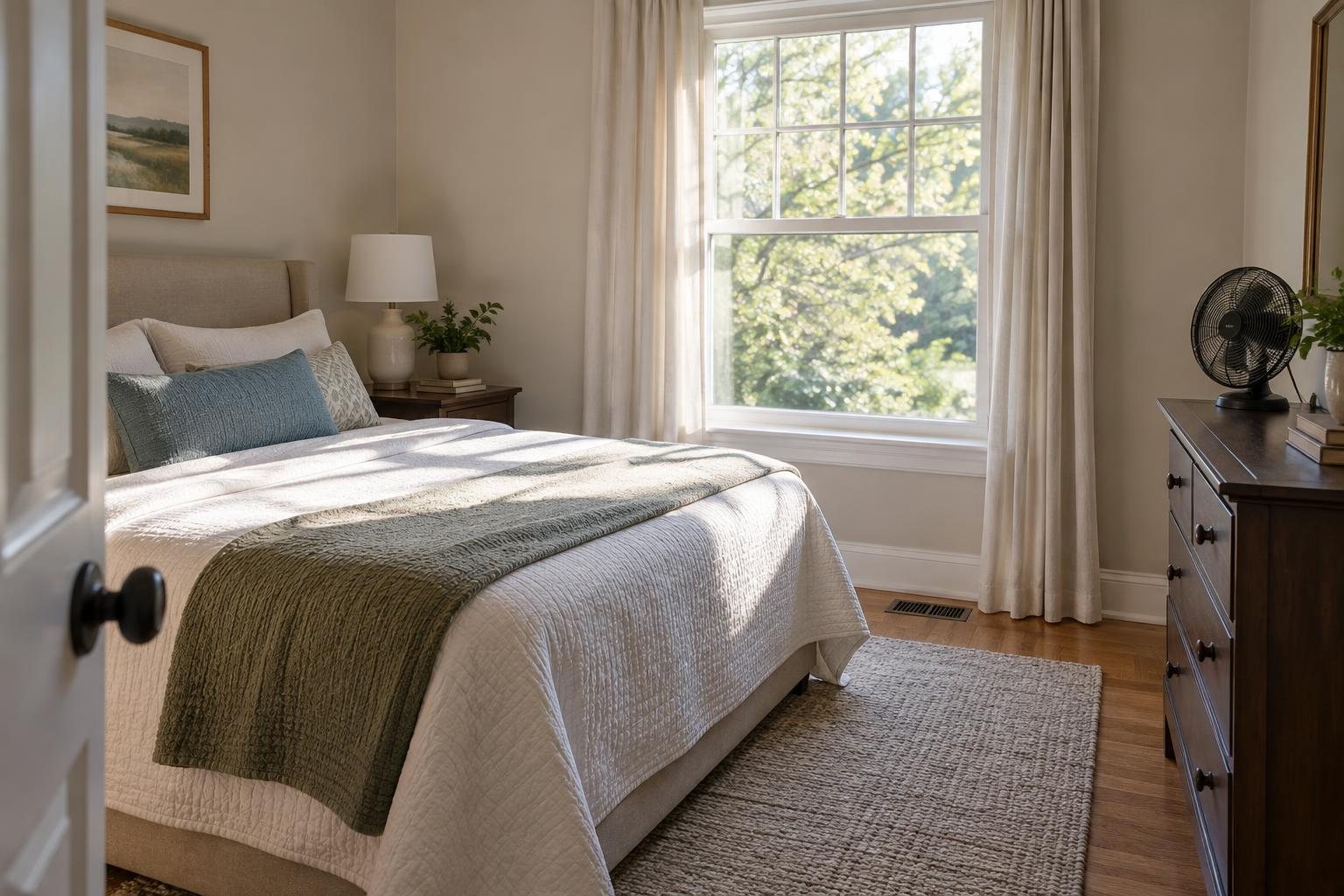
Check what is blocking the vent
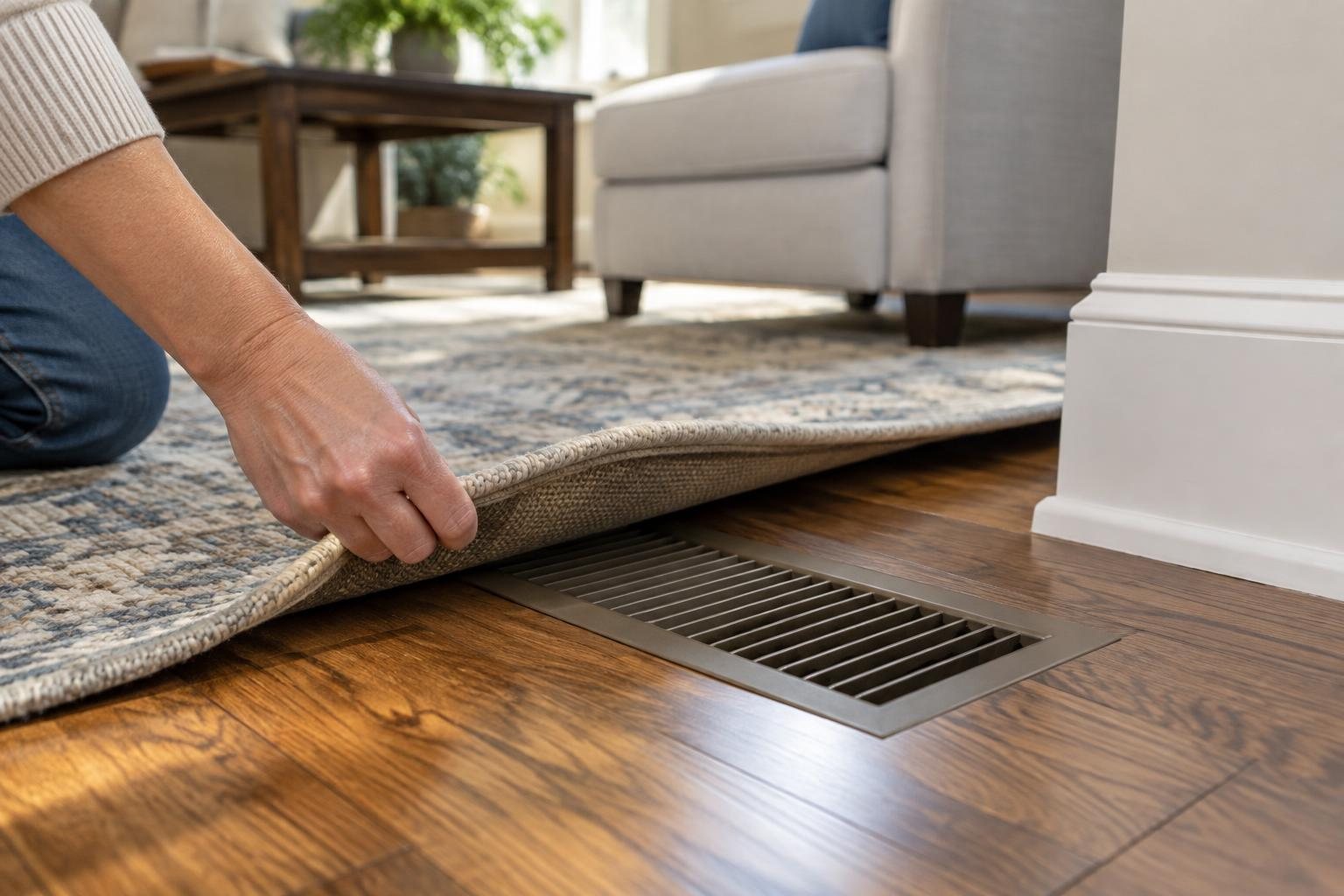
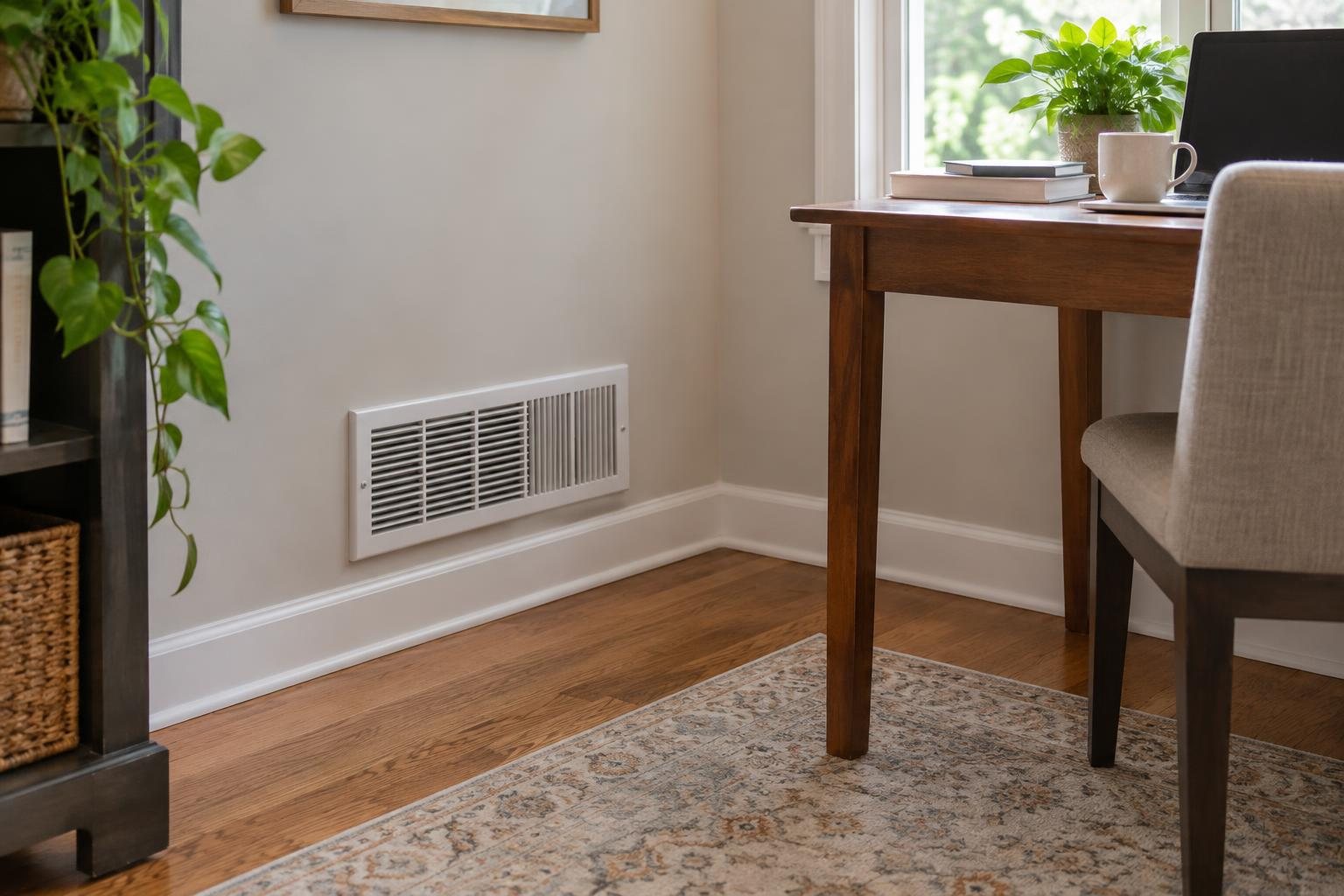
Look at supply vents and return grilles you can reach safely from the floor. Move rugs, curtains, boxes, or furniture that cover them, and note whether the room feels different afterward. Keep return grilles clear as well as the vents that deliver air.
Do not enter an attic, remove equipment panels, modify ducts, or close other rooms’ vents to force more air toward the uncomfortable room. If accessible vents are clear and the problem continues, request an evaluation rather than making duct changes.
Tell the provider where and when
You do not need a diagnosis—these observations can help focus the conversation.
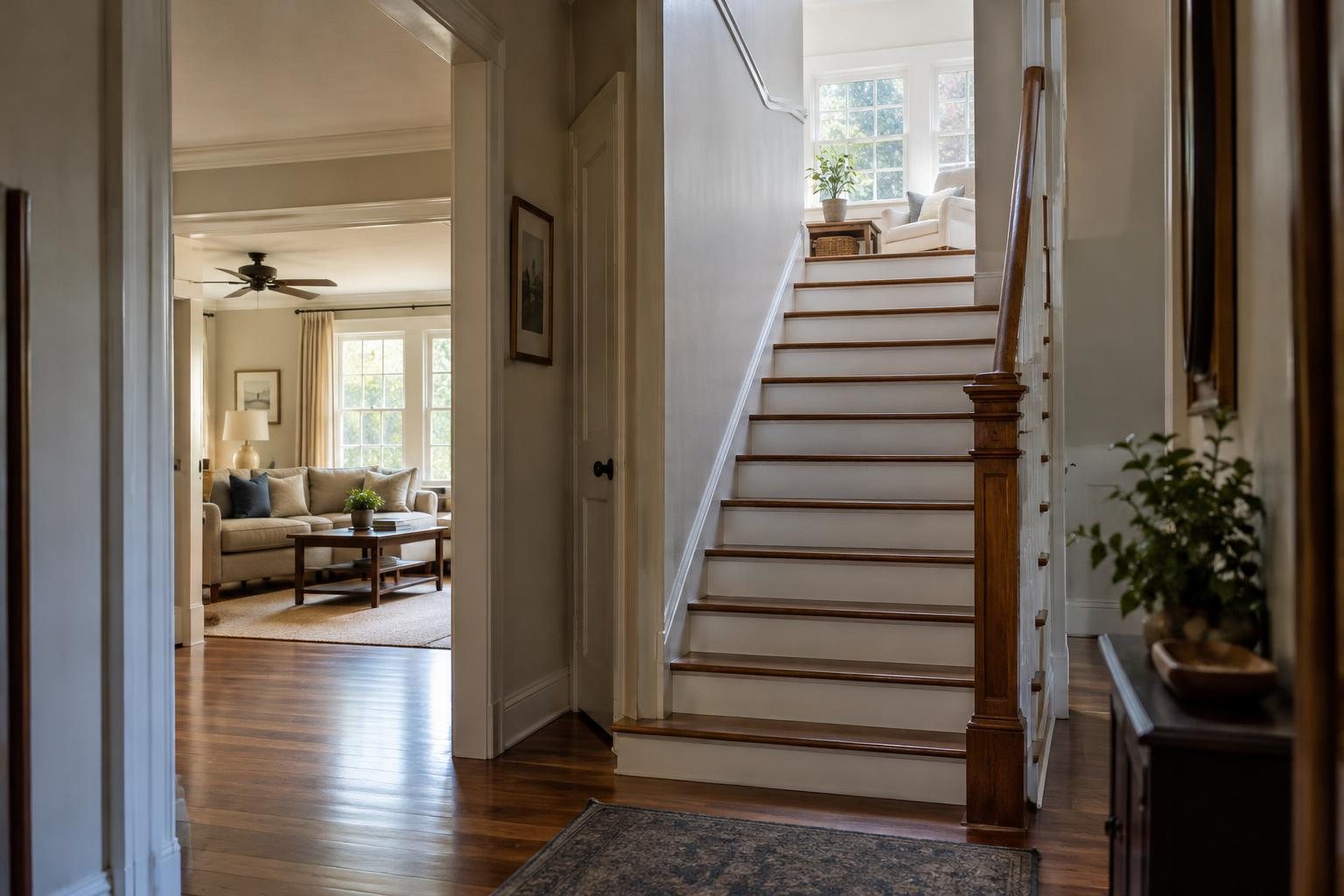
Upstairs versus downstairs
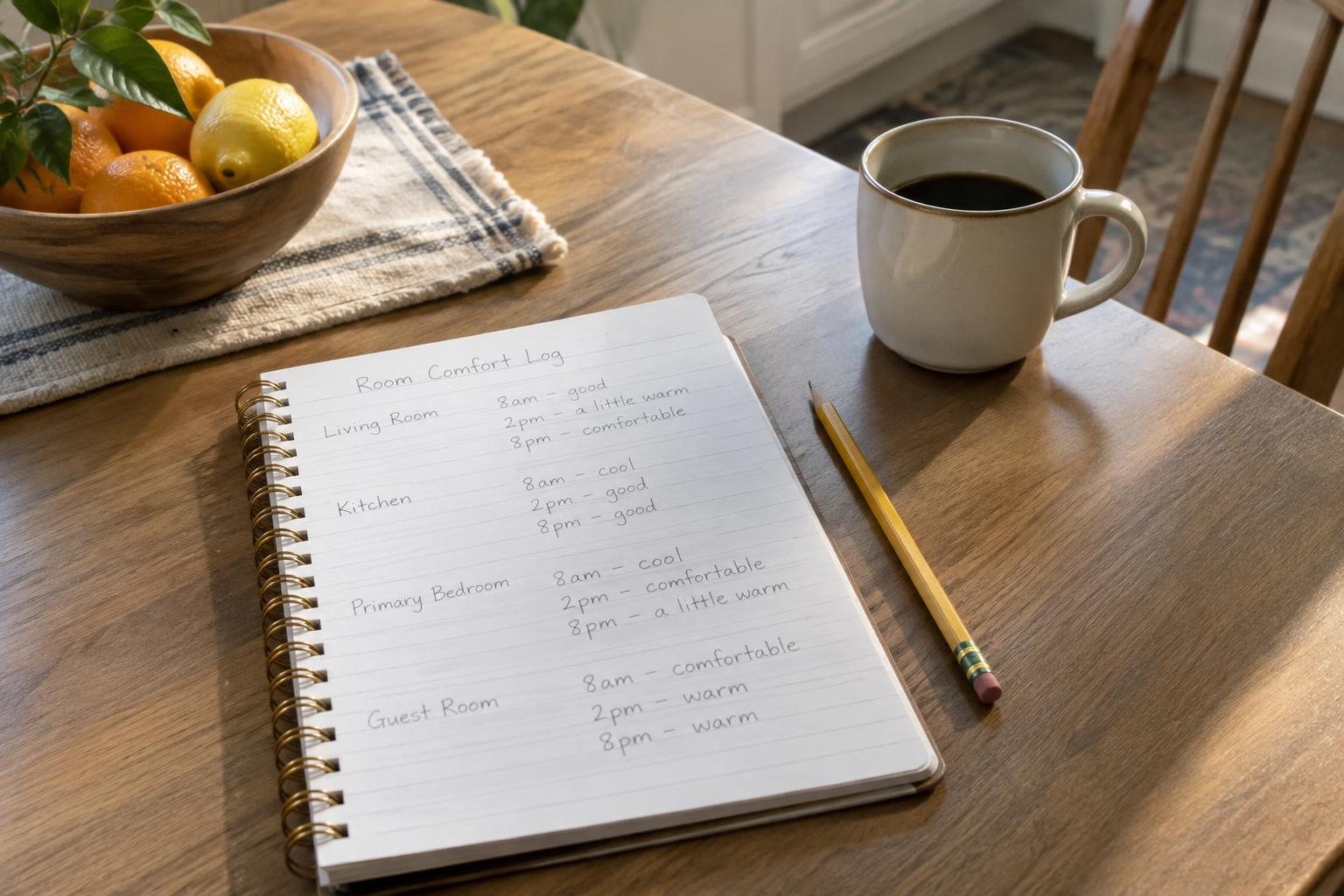
Name the rooms that feel different and whether the gap grows in the afternoon, overnight, or throughout the day.
One vent versus several
Note whether airflow feels weak at one accessible vent or in several rooms while the system is running.
New versus recurring
Mention when the problem began and whether it changes with heating, cooling, or bedroom doors being open or closed.
Ask for an assessment, not a preset fix
A hot room alone does not establish that you need new ducts or zoning. Ask the provider what they would check, what the evaluation includes, and what it costs before agreeing to a visit.
Airflow assessment
A provider may assess how air reaches and returns from the affected rooms, along with system operation. Ask what findings explain the weak airflow.
Duct assessment
Duct condition or layout may warrant investigation. Ask which findings support any proposed duct work and what areas would need access.
Zoning suitability
Separate temperature control may be worth discussing, but it is not the answer for every home. Ask whether your equipment and duct layout are suitable and what alternatives exist.
Start with the room that feels wrong
Continue to the external provider website to request a comfort evaluation, and describe the rooms affected and when the discomfort occurs. The provider confirms availability, evaluation scope, and charges; continuing here does not book an appointment.
We connect homeowners with independent local HVAC providers.