Marietta, Georgia
No cooling? No heat?
Gas odor, a CO alarm, smoke, or immediate danger? Leave the area and contact emergency services from safety.
For other HVAC concerns, start with no cooling, no heat, or replacement—you don’t need to know the diagnosis to request help.
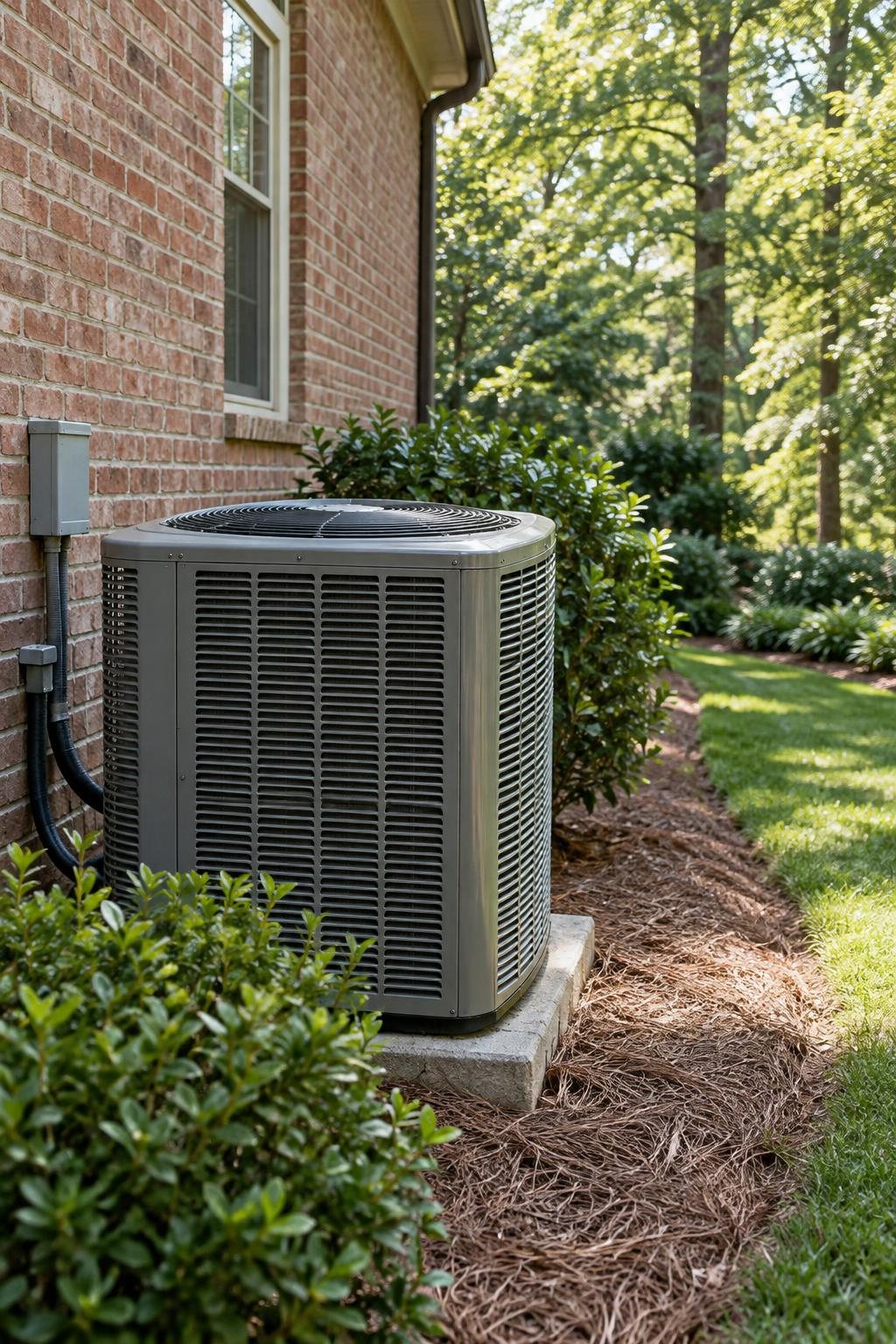
Safety comes before an HVAC request
If you smell gas, hear a carbon monoxide alarm, see smoke, or face immediate danger, leave the area and contact emergency services from safety. Do not wait for an HVAC response. A medical emergency needs emergency assistance, not a repair inquiry.
If there is no immediate danger, keep checks simple: look at thermostat settings and whether furniture blocks accessible vents. Do not open equipment panels, handle wiring, or attempt gas or refrigerant repairs.
Start with what’s wrong
Choose the closest match for safe checks, useful observations, and a local help request.
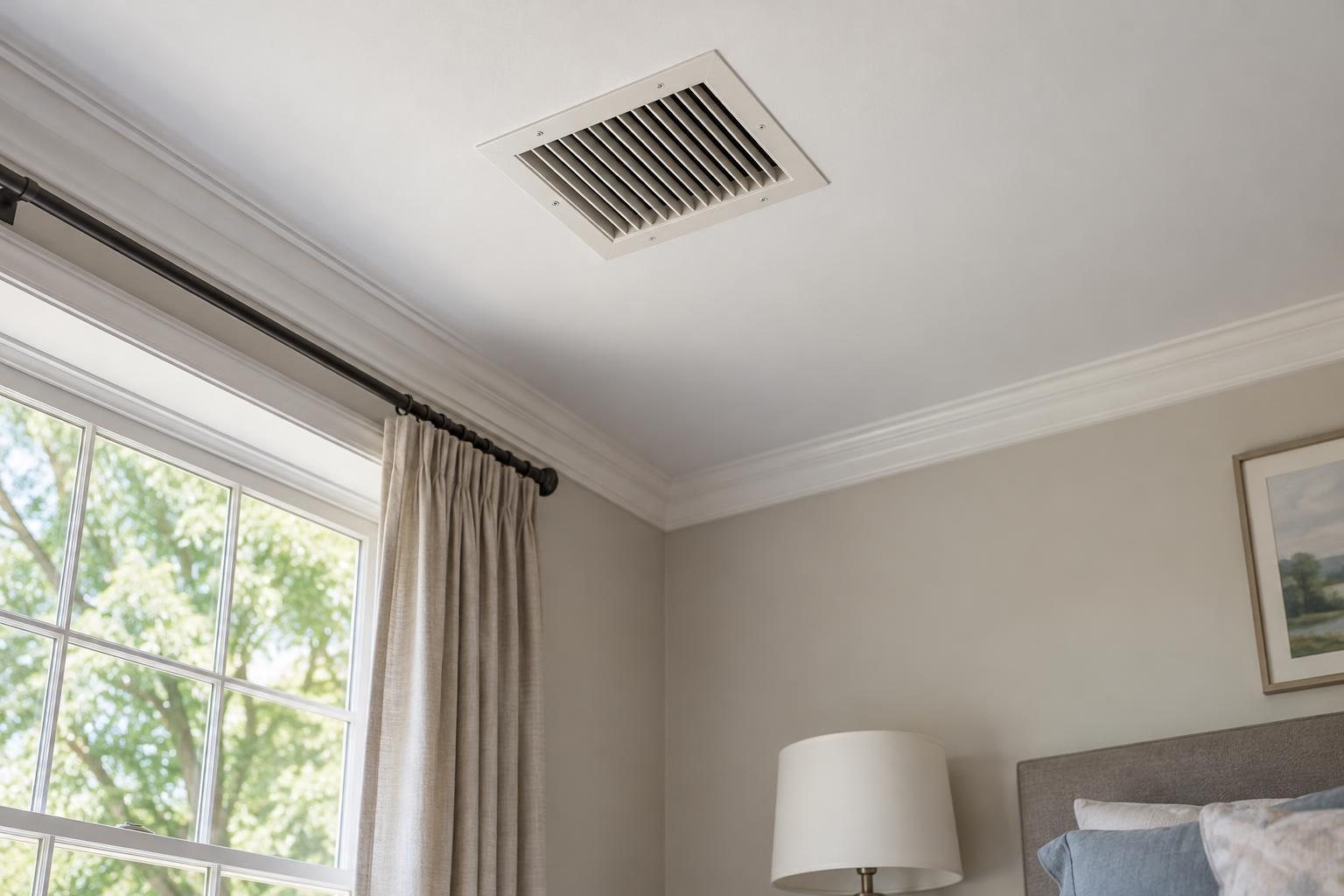
AC isn’t cooling
Warm air, no airflow, or a system that won’t start: find your next step.
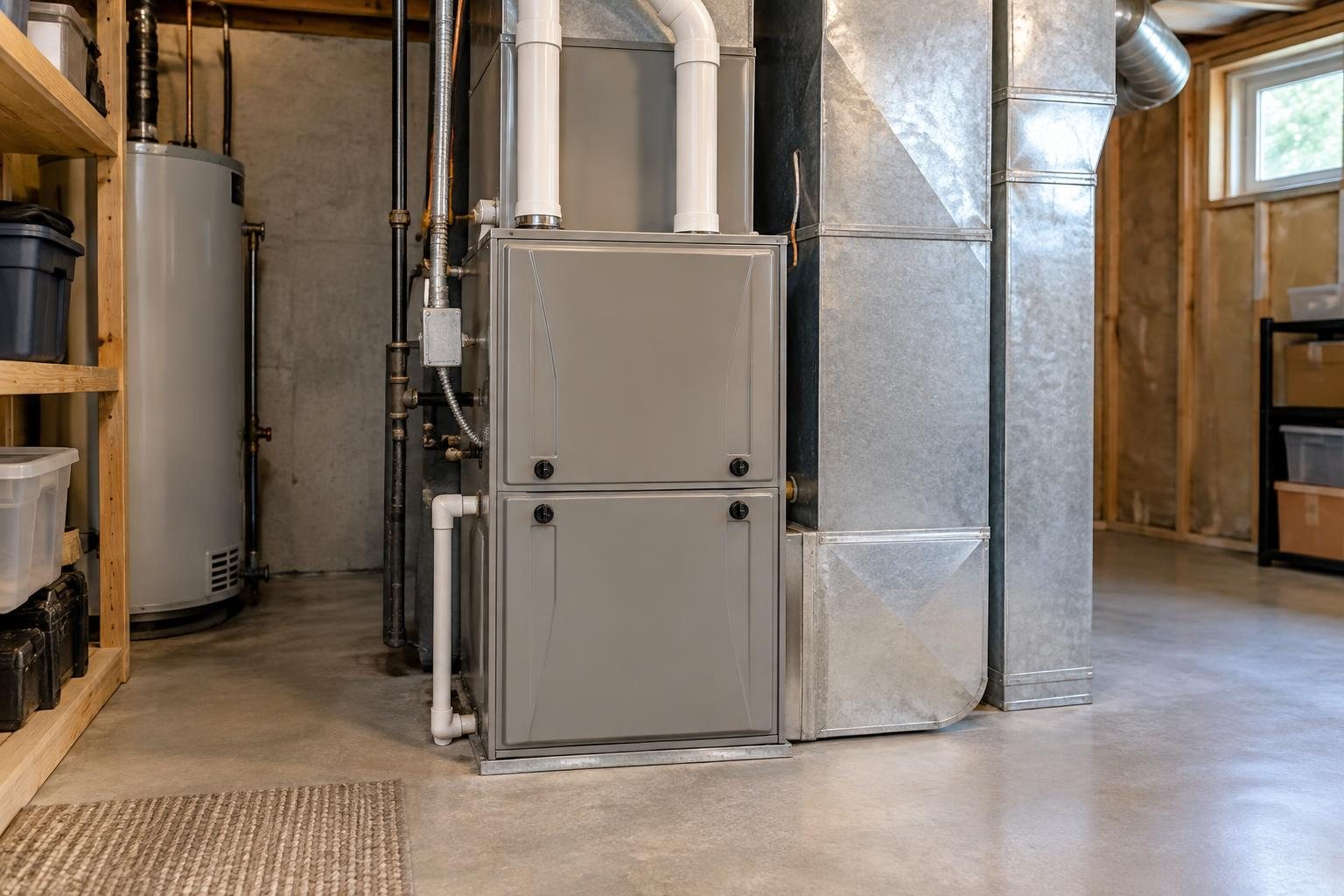
Heat isn’t working
Start with no-heat guidance, including what to note when the furnace keeps stopping.
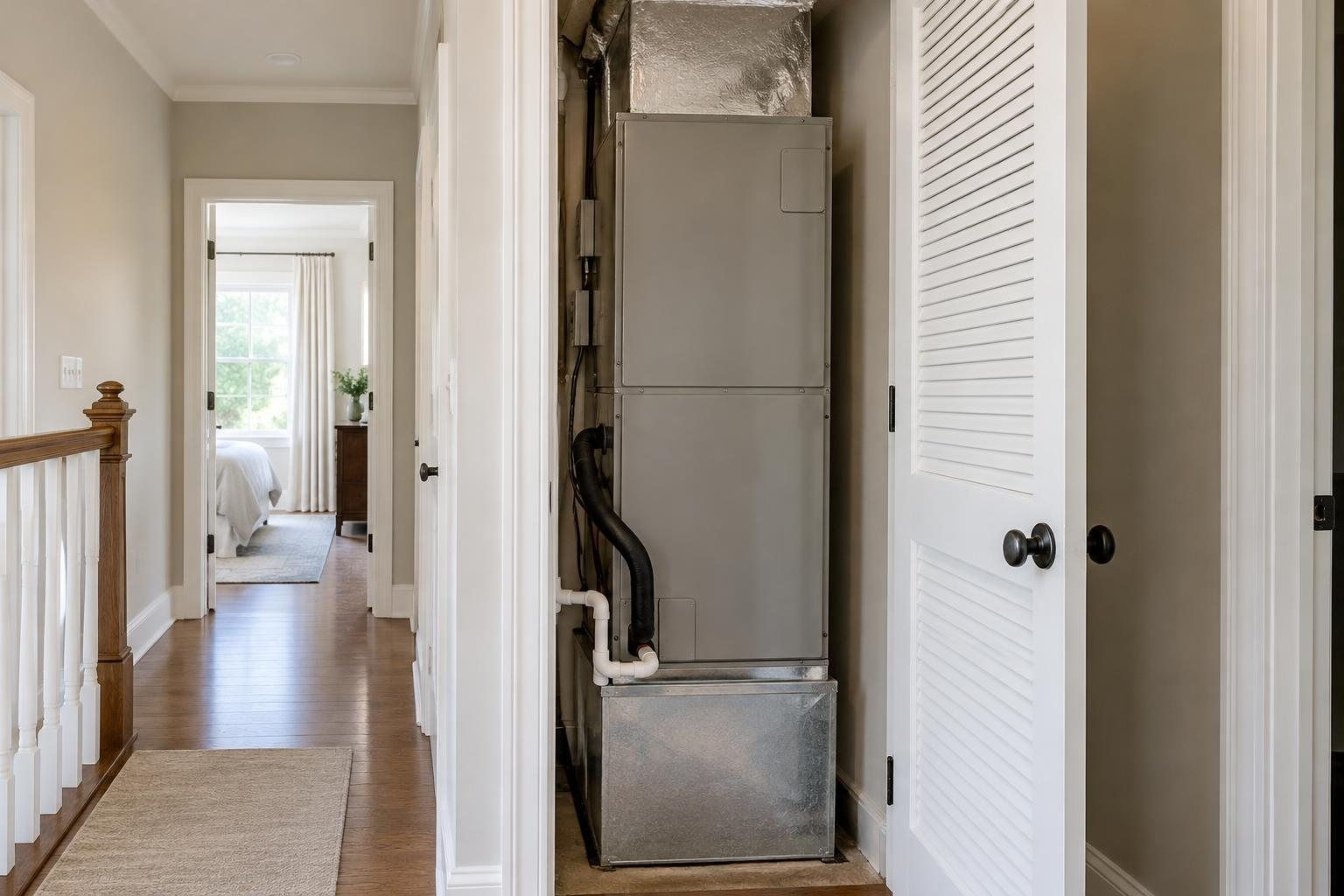
Considering a replacement
Prepare questions about a major repair recommendation, repeated breakdowns, or a planned installation.
Not a complete breakdown?
A blank thermostat, a clammy room, or an overdue checkup is enough to start the conversation.
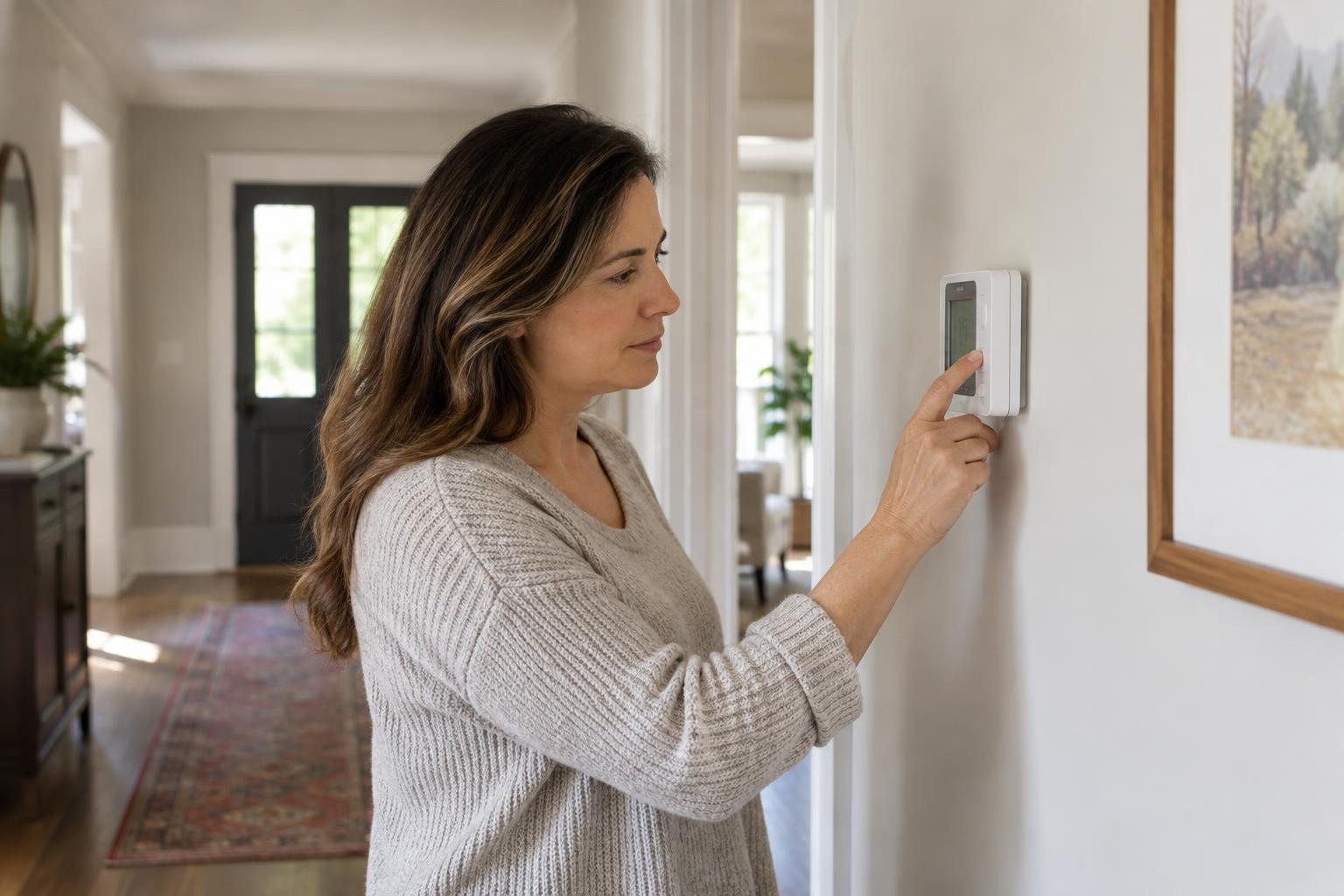
Controls aren’t responding
A blank display or ignored setting does not tell you which part has failed. Start with safe control checks, not wiring.
Rooms feel different
Explore uneven temperatures and weak airflow, or find guidance for humidity and indoor air concerns.
Heat pump or ductless?
Use the dedicated paths for heat pump problems or ductless mini-split concerns, including individual rooms that won’t stay comfortable.
Ready for a checkup
Prepare for a maintenance conversation with your service history and any recurring concerns. Active breakdowns belong on a repair path.