Marietta replacement and installation
Replacing your HVAC in Marietta?
Repeated breakdowns, a major repair recommendation, or a planned installation deserve a clear assessment before you choose new equipment.
For gas odor, a CO alarm, smoke, or immediate danger, leave the area and contact emergency services from safety.
We connect homeowners with independent local HVAC providers.

A breakdown is not a replacement decision
If repairs keep returning, gather the service history and describe what happens between visits. Ask whether the recurring problems have a shared cause and what another repair would address.
If you have been advised to make a major repair, ask for the diagnosis, repair scope, and replacement alternative in writing. You can compare those options without treating the first recommendation as your only choice.
Planning an addition or installing equipment where there was none? Describe the rooms, intended use, and any building changes so the provider can assess the whole project—not just select a unit.
If your immediate concern is getting heating or cooling working again, start with repair guidance. You do not need to decide on replacement before requesting an assessment.
Before choosing equipment
Ask what your home actually needs
A replacement proposal should explain how the recommended system fits your home and comfort concerns—not simply repeat the size printed on the old unit.
01
Review the problem
Ask the provider to assess the existing equipment and discuss breakdowns, uncomfortable rooms, and changes to the home. Clarify what replacement is expected to address and what may need separate work.
02
Calculate the load
Ask how heating and cooling needs will be calculated using the home's construction, windows, insulation, and other relevant conditions. Floor area or the old system's capacity alone does not explain the sizing decision.
03
Check equipment matching
Ask which indoor and outdoor components, controls, and heat sources need to work together. If any existing equipment will remain, have the provider explain compatibility and any limitations.
04
Define duct scope
Ask whether the existing ducts and returns can support the proposed system. Get any duct repairs, sealing, resizing, or other airflow work listed separately so you know what is included.
Compare options for heating and cooling
You do not need to choose an equipment type before asking a provider to assess your home.
AC replacement
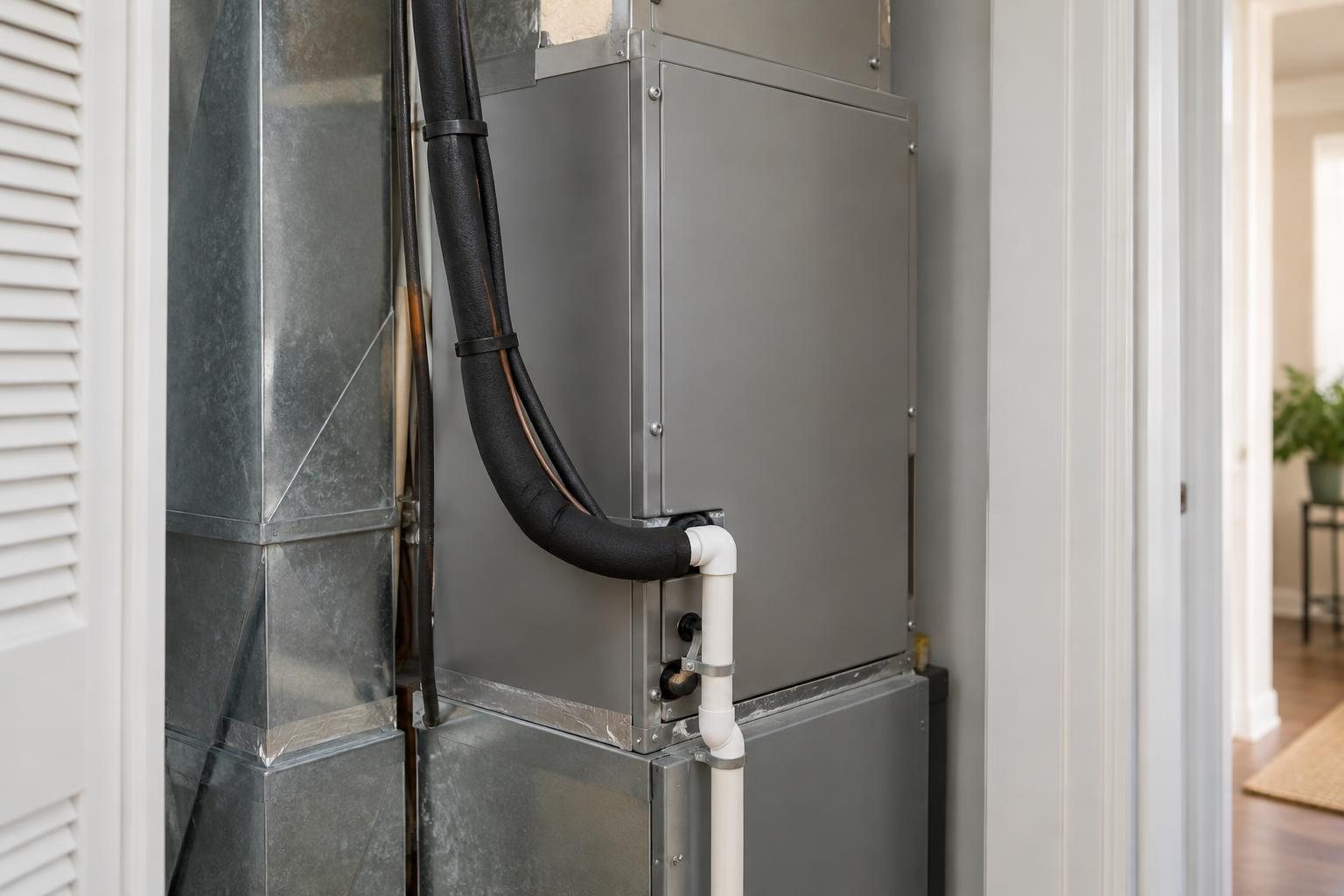
Ask which cooling components need replacement and how they will work with the furnace or air handler you plan to keep.
Furnace replacement
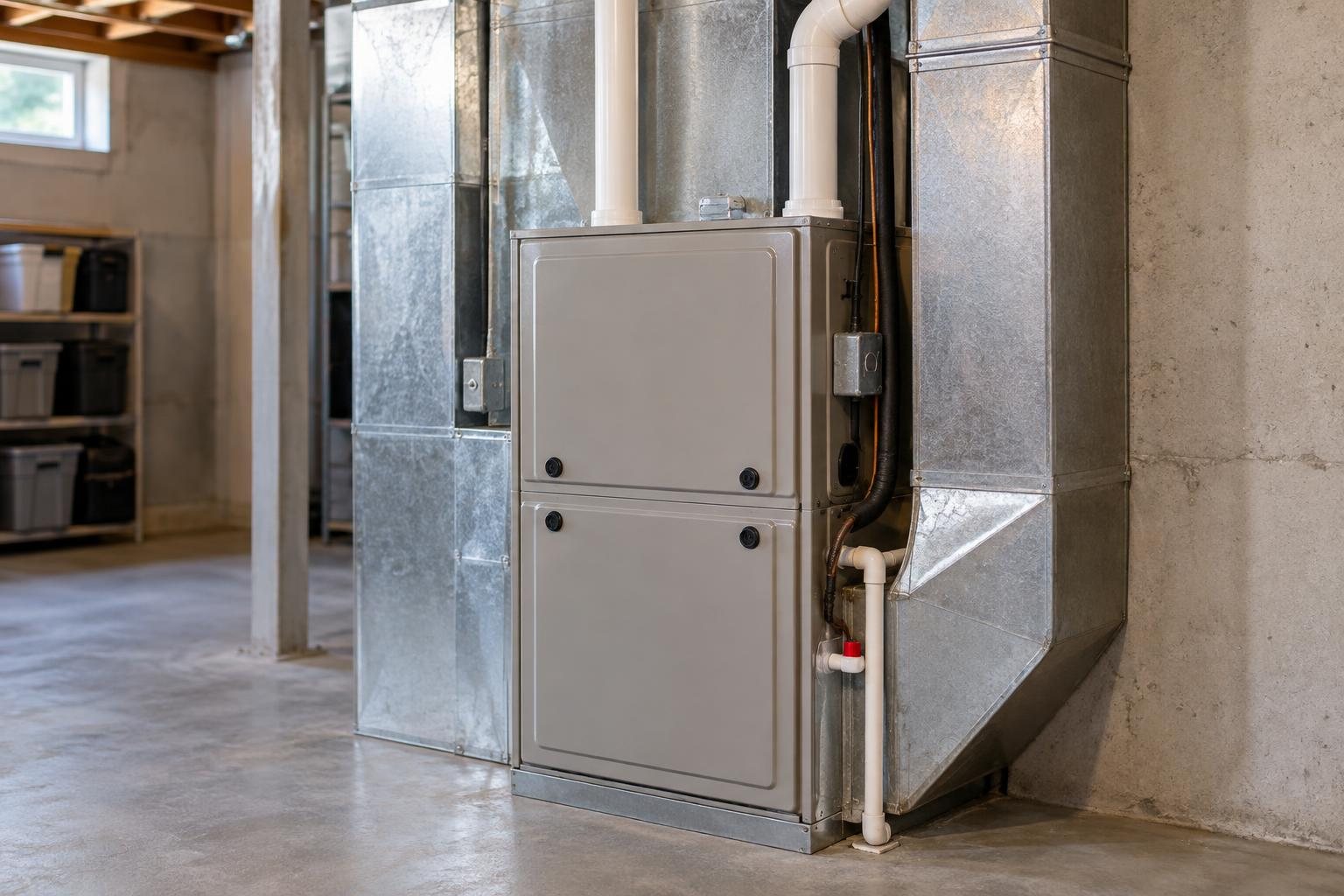
Ask how the proposed furnace fits the home's fuel supply, venting, cooling equipment, and airflow needs.

Heat-pump installation
Ask how the heat pump will provide heating and cooling, whether backup heat is proposed, and what electrical or control changes are included.
Compare the scope, not just the total
Ask each provider for a written proposal that answers the same questions. Differences in equipment, installation work, and exclusions can make totals difficult to compare.
Get a clearer replacement plan
Have your repair recommendation, service history, and main comfort concerns ready if available—you do not need a diagnosis to begin.
Continue to the external provider website to request replacement or installation help; the provider confirms availability, scope, and pricing before any appointment or work is agreed.
We connect homeowners with independent local HVAC providers.