
Marietta humidity and indoor air concerns
Does your home feel clammy?
For gas odor, a CO alarm, smoke or immediate danger, leave the area and contact emergency services from safety. For lingering dampness, persistent odors or filter questions, request a local HVAC evaluation rather than guessing at a fix.

Start with what you notice
You do not need to know the cause to explain what feels different at home.
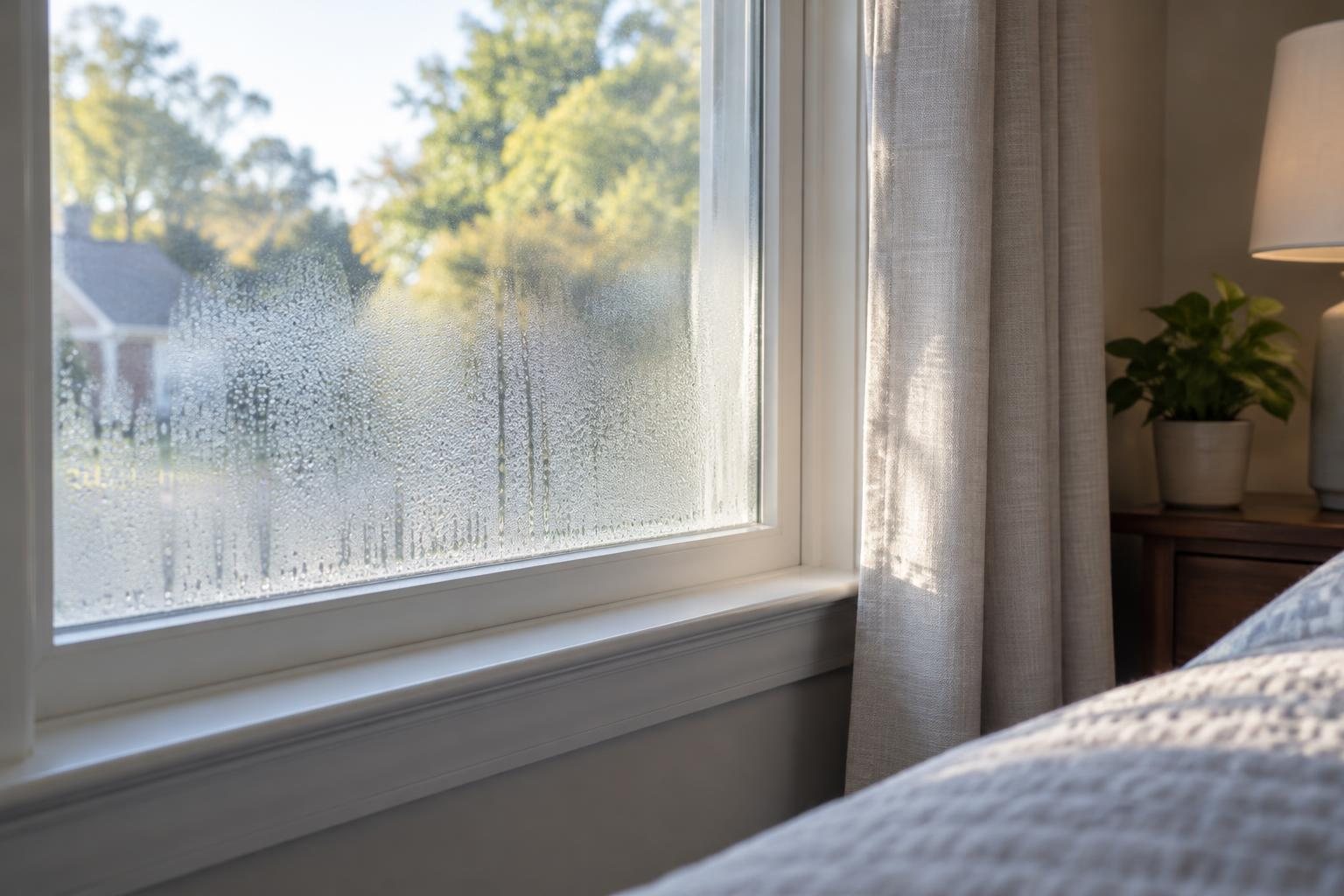
Rooms feel damp
Note whether the clammy feeling affects one room or the whole house, even when the AC runs.
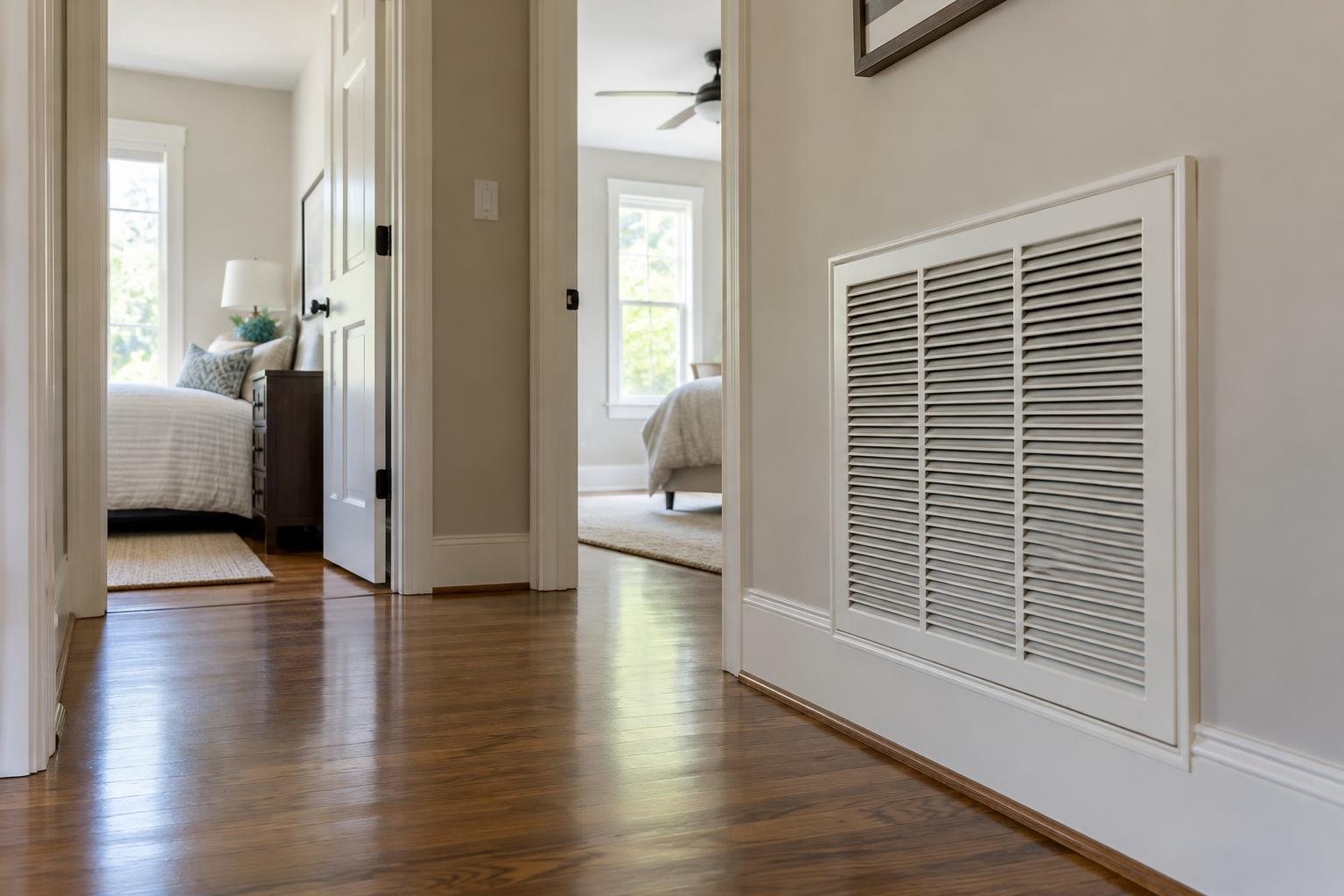
Odors keep returning
For odors without immediate danger signs, note where they occur and whether they change when the HVAC runs.
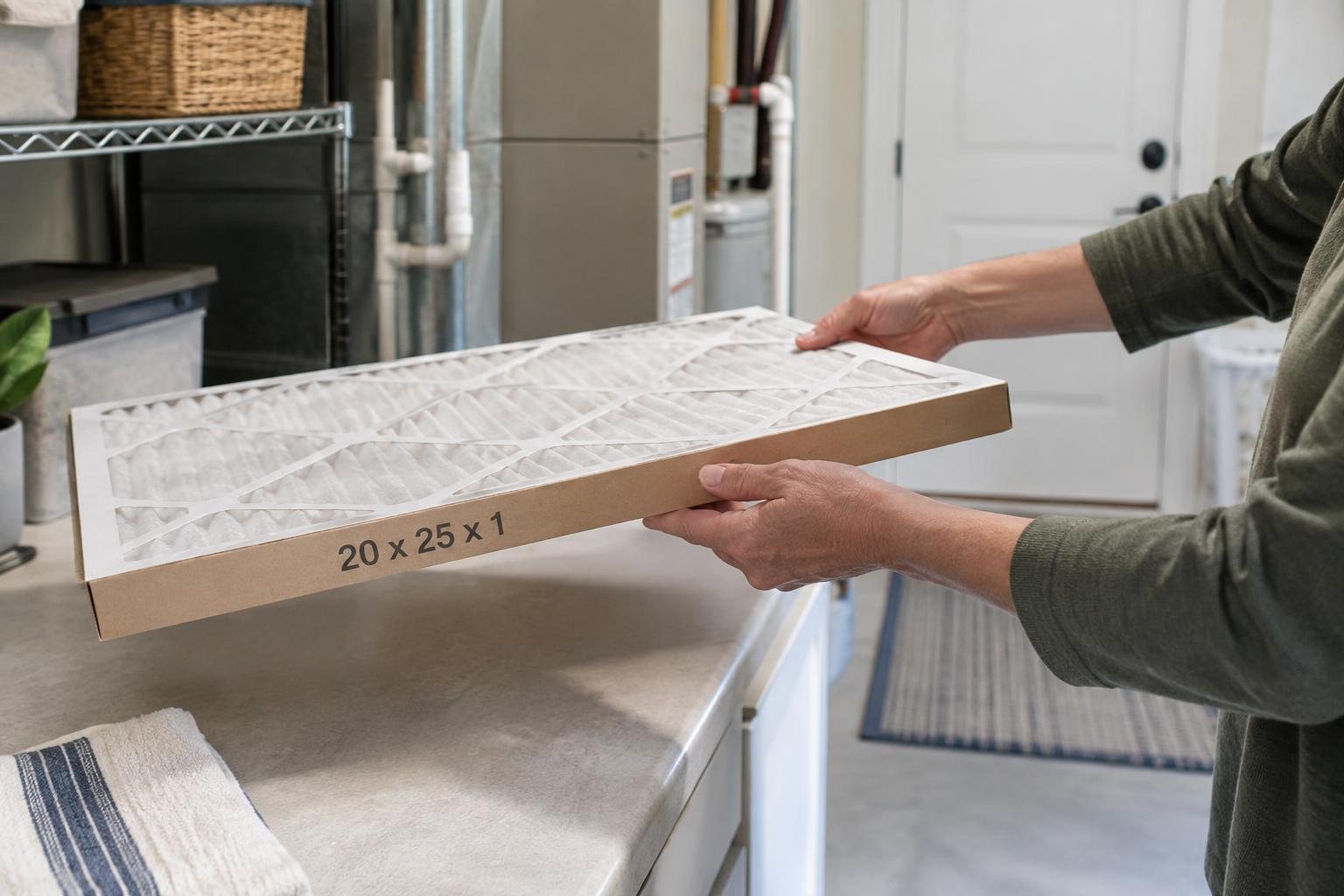
Filter choices feel confusing
Keep the current filter size and label handy so a provider can discuss compatible options.
Observe the pattern, not the equipment’s insides
Write down which rooms feel damp, when odors appear and whether the AC is keeping the house cool. If you already have a humidity monitor, note its reading and location; a reading alone does not explain the cause.
Without opening equipment, look for visible moisture around accessible areas and make sure furniture is not covering supply or return vents. Only check a user-accessible filter as directed by the equipment manual. Do not open electrical panels, disturb suspect growth or try to clear internal drains.
If the AC blows warm air, will not start or is no longer cooling the house, start with AC repair help. If you see water near the indoor unit, avoid contact with wet equipment or nearby electrical components and describe what you see when requesting help.
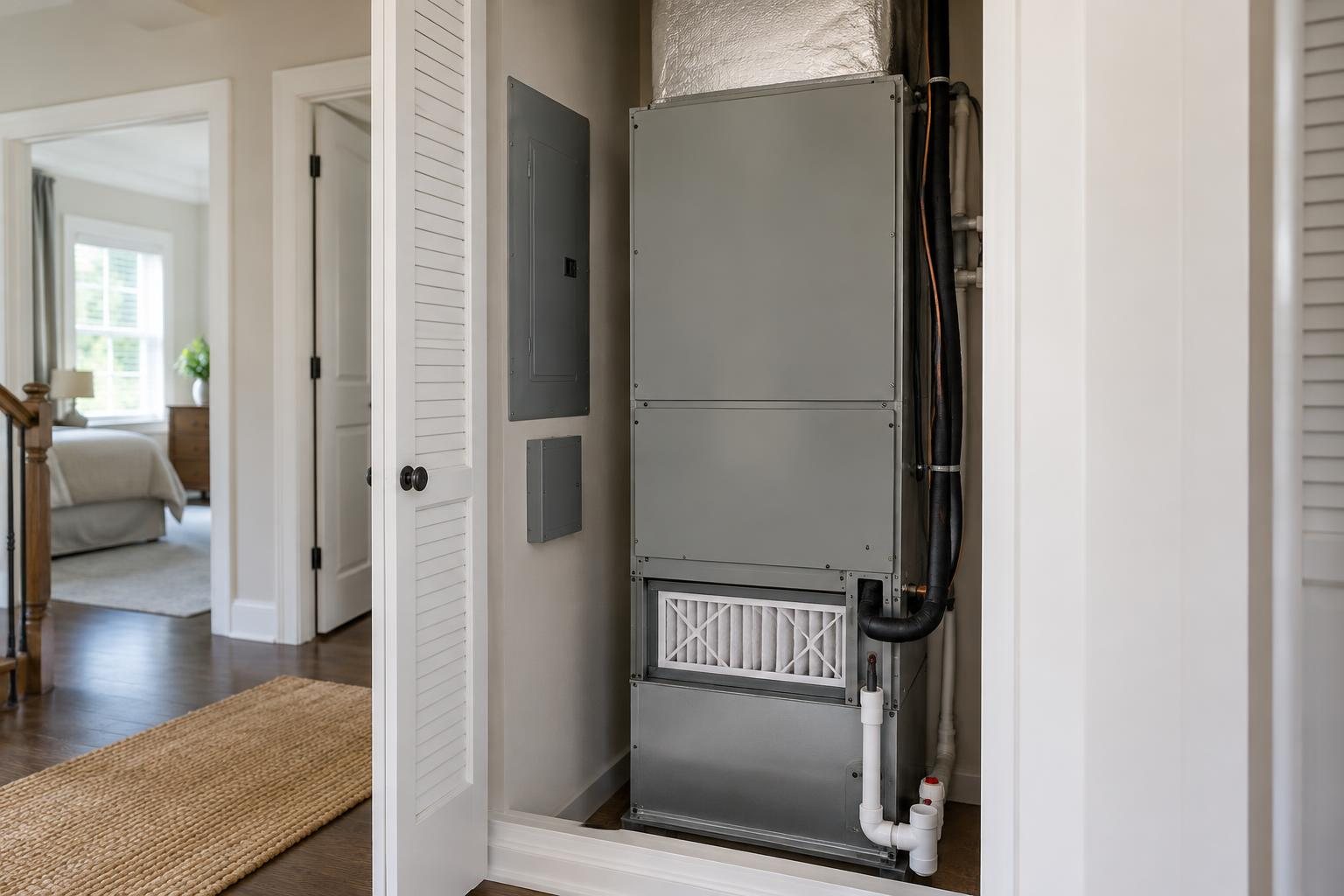
Questions for the provider
Ask what is contributing before buying equipment
An HVAC assessment may identify moisture or filtration issues, but not every source of dampness or odor is part of the HVAC system. Ask whether the evaluation covers moisture removal, condensate drainage, airflow, ventilation and filter compatibility, and whether any findings point to a separate building or plumbing concern. Before agreeing to a dehumidifier, filter upgrade or other equipment, ask what finding supports the recommendation and what maintenance it requires. An HVAC evaluation is not medical advice or a mold diagnosis, and it cannot guarantee health outcomes.